|
INFINITY COURSE
Cursive Writing for Grade 6 – Lessons, Practice & Tips27,428 students learning this week · Last updated on Apr 14, 2026 |
Cursive Writing for Grade 6 – Study Material



Trending Courses for Grade 6

What is Cursive Writing for Grade 6 Students?
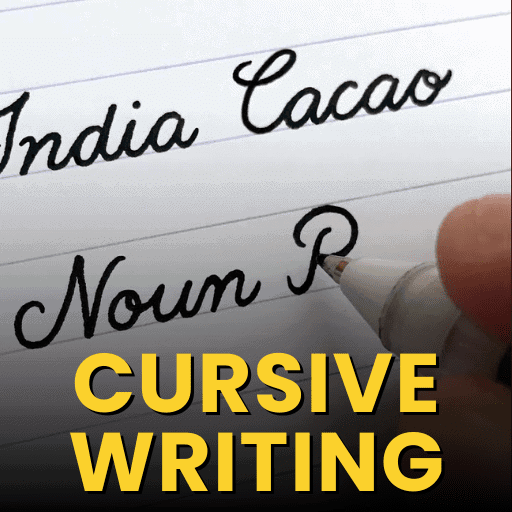
Cursive writing is a style of handwriting where letters are joined together in a flowing, continuous manner without lifting your pen or pencil from the paper. Also known as script, joined-up writing, or running writing, cursive writing represents a significant milestone in your Grade 6 educational journey. This elegant form of handwriting allows students to write faster and more efficiently while maintaining legibility and aesthetic appeal.
For Grade 6 students in India, learning cursive writing is an essential skill that bridges the gap between basic print handwriting and more sophisticated written communication. Unlike print writing where each letter stands independently, cursive handwriting for 6th grade requires connecting letters through smooth, flowing strokes. This creates a unique penmanship style that's both functional and visually pleasing.
Understanding the Basics of Cursive Writing
Cursive writing involves several interconnected elements that work together to create smooth, connected text. The foundation of cursive handwriting Grade 6 rests on understanding how individual letters connect and flow into one another. Letters are formed with specific entry and exit strokes that allow them to seamlessly link with the next letter in a word.
The basic principle behind cursive writing for beginners is consistency. Whether you're practicing cursive words, cursive sentences, or longer cursive passages, maintaining uniform letter size, consistent slant, and proper spacing between words is crucial for developing legible and attractive handwriting.
Benefits of Learning Cursive Writing in Elementary School
Learning cursive writing during your elementary school years, particularly in Grade 6, offers numerous cognitive and educational advantages. The benefits of cursive writing extend far beyond simply having neat handwriting. Research demonstrates that cursive handwriting improvement contributes to overall academic development and cognitive growth in young learners.
Cognitive and Motor Skill Development
- Improves fine motor skills through precise hand movements and control
- Enhances hand-eye coordination as you watch your pen flow across the page
- Develops better letter recognition and reading skills through muscle memory
- Strengthens neural pathways in the brain associated with learning and memory
- Builds muscle memory for writing that becomes automatic with practice
Academic and Learning Benefits
The importance of cursive writing extends into your academic performance. When you practice cursive writing consistently, you develop stronger spelling retention and improved focus during writing tasks. Students who master cursive writing techniques often experience enhanced concentration levels, as the continuous motion requires sustained attention and control. Additionally, the muscle memory developed through cursive writing practice carries over to other academic skills, including better note-taking abilities and improved written communication throughout your educational journey.
Best Cursive Writing Techniques for Grade 6 Learners
Mastering the best cursive writing techniques requires understanding the fundamental elements of proper handwriting formation. For Grade 6 learners beginning their cursive writing journey, focusing on correct techniques from the start prevents bad habits that are difficult to break later.
Essential Elements of Proper Cursive Formation
| Element | Description | Why It Matters |
|---|---|---|
| Pencil Grip | Tripod grip with pencil at 45-degree angle | Reduces hand fatigue and enables better control |
| Letter Slant | Consistent 15-20 degrees to the right | Creates visual harmony and professional appearance |
| Letter Size | Uniform height for lowercase and capitals | Improves readability and writing speed |
| Letter Connections | Smooth transitions between letters | Enables faster writing without lifting pen |
| Spacing | Equal distance between words and letters | Makes writing legible and aesthetically pleasing |
Proper Posture and Writing Position
Your writing position significantly impacts your cursive handwriting improvement. Sit with your back straight, feet flat on the floor, and your paper tilted at approximately 20-30 degrees. Your writing arm should rest comfortably on the desk with your elbow forming a right angle. This proper positioning reduces strain and enables better control of your cursive writing movements.
How to Practice Cursive Words Effectively
Practicing cursive words forms the foundation of your cursive writing development. Before attempting complete cursive sentences or lengthy cursive passages, mastering individual cursive words allows you to build confidence and develop proper letter connections. Effective cursive writing practice requires a structured approach that emphasizes both accuracy and gradual speed development.
Structured Word Practice Method
- Start with simple three-letter words (cat, dog, pen) to understand basic connections
- Progress to four and five-letter words with varied letter combinations
- Practice common letter combinations like "th," "ch," "sh" that appear frequently
- Focus on consistent letter formation before worrying about speed
- Write each word multiple times until the motion becomes natural and automatic
For those seeking structured guidance, our comprehensive resource on cursive words practice provides detailed examples and exercises specifically designed for Grade 6 learners. This specialized material helps you understand proper word formation and connection techniques essential for developing fluent handwriting.
cursive words practice
Mastering Cursive Sentences: Tips and Strategies
Once you've developed proficiency with cursive words, advancing to cursive sentences represents the next step in your cursive writing journey. Writing complete cursive sentences requires maintaining all the elements you've learned-consistent slant, proper spacing, and smooth letter connections-while managing longer, more complex text.
Transitioning from Words to Complete Sentences
Cursive sentence writing builds naturally upon your word practice foundation. Start with simple sentences containing familiar words, then gradually increase complexity. The key to successful cursive sentences is maintaining consistency throughout longer passages. Your letter size should remain uniform, your slant should stay consistent, and spacing between words must be even.
Explore our detailed guide on cursive sentences to understand advanced techniques for writing complete thoughts in flowing, connected script. This resource addresses common challenges students face when transitioning from isolated word practice to sentence-level writing.
Sentence Practice Strategies
- Begin with short, simple sentences (5-8 words) to build confidence
- Use sentences containing words you've already practiced extensively
- Focus on maintaining baseline consistency-keeping letters aligned horizontally
- Practice varying sentence lengths to develop flexibility in your cursive writing
- Review punctuation placement within cursive writing to maintain professional appearance
cursive sentences
Cursive Passages Practice for Improving Fluency
Cursive passages represent the culmination of your cursive writing development, where you combine all skills into extended, flowing text. Practicing cursive passages develops writing fluency, speed, and the ability to maintain quality over longer writing sessions. Cursive passages practice is essential for Grade 6 students who need to develop practical writing endurance.
Extended cursive writing passages challenge you to maintain consistency and quality while developing speed. This type of practice strengthens the muscle memory necessary for automatic handwriting, allowing you to focus on content rather than letter formation during academic writing tasks.
Access our comprehensive cursive passages practice materials featuring age-appropriate texts specifically selected for Grade 6 learners. These passages range from short paragraphs to longer texts, helping you gradually build writing endurance and fluency.
cursive passages practice materials
Free Cursive Writing Worksheets and Resources for Grade 6
Abundant free cursive writing worksheets and resources are available to support your practice journey. Whether you're seeking cursive writing practice sheets, cursive writing exercises, or cursive writing practice PDFs, having structured materials significantly accelerates your learning progress. Free cursive writing practice resources allow you to practice at your own pace without additional expense.
Types of Available Resources
| Resource Type | Best For | Format Available |
|---|---|---|
| Alphabet Worksheets | Learning individual letter formation | PDF download, printable sheets |
| Word Practice Sheets | Developing word-level connections | Printable worksheets, digital practice |
| Sentence Worksheets | Writing complete sentences | PDF practice sheets, workbooks |
| Passage Materials | Building fluency and speed | Printable texts, online exercises |
Common Mistakes in Cursive Writing and How to Avoid Them
Understanding common cursive writing mistakes helps you develop correct habits from the beginning. Grade 6 students typically encounter several predictable challenges during their cursive writing journey. By recognizing these patterns, you can deliberately practice avoiding them and accelerate your progress toward fluent, attractive handwriting.
Frequent Errors and Prevention Strategies
- Inconsistent Letter Sizing: Practice maintaining equal height for lowercase letters and proper capital letter proportions. Use lined paper with baseline guides to maintain consistency.
- Improper Letter Connections: Focus on exit strokes from one letter that smoothly flow into entry strokes of the next letter. Practice common combinations separately.
- Irregular Spacing: Space words consistently by leaving approximately the width of the letter 'n' between words. Use margin guides on practice paper.
- Inconsistent Slant: Maintain a steady 15-20 degree angle throughout your writing. Use slanted guidelines to reinforce proper angle.
- Sacrificing Speed for Neatness: Start slowly, building accuracy first. Speed naturally develops with consistent practice and muscle memory.
Cursive Alphabet: Letter Formation and Connections
The cursive alphabet forms the building blocks of all cursive writing for 6th grade students. Understanding how to form each cursive letter and connect it to the next letter is fundamental to developing legible, flowing handwriting. The cursive alphabet differs significantly from print letters, requiring deliberate study and practice of each letter's unique entry and exit strokes.
Uppercase and Lowercase Letter Formation
Cursive letters require different formation techniques than their print equivalents. Lowercase cursive letters typically begin with entry strokes and end with exit strokes designed to connect smoothly to following letters. Uppercase cursive letters, while decorative, also include connection points when followed by lowercase letters. Understanding cursive letter formation fundamentals prevents the development of inconsistent or incorrect letter shapes that compromise your writing quality.
Proper cursive letter connections create the flowing appearance that distinguishes cursive from other writing styles. Each letter's exit stroke must align naturally with the next letter's entry stroke, creating smooth transitions without awkward angles or gaps.
How to Improve Cursive Handwriting Speed and Neatness
Balancing cursive handwriting speed with maintaining neatness presents one of the primary challenges for Grade 6 learners. While initial cursive writing instruction emphasizes accuracy, eventually you need to develop writing speed for practical academic purposes. The good news is that speed naturally develops through consistent practice, allowing you to eventually write quickly without sacrificing quality.
Progressive Speed Development
- Establish baseline accuracy with slow, deliberate practice over 2-3 weeks
- Gradually increase your pace while maintaining all quality elements
- Practice daily in short sessions (10-15 minutes) rather than occasional long sessions
- Use timed exercises to track your improvement objectively
- Focus on rhythm and fluidity-smooth handwriting naturally flows faster than jerky movements
Cursive Writing Practice at Home: Parent's Guide
Parents play a crucial role in supporting their child's cursive writing development. Providing structured practice opportunities, appropriate materials, and encouragement significantly impacts a Grade 6 student's success with this essential skill. Effective cursive writing practice at home doesn't require expensive programs-simple, consistent engagement with appropriate materials produces excellent results.
Creating an Effective Home Practice Environment
Set up a dedicated practice space with proper lighting, comfortable seating, and minimal distractions. Establish a consistent daily practice routine of 10-15 minutes rather than occasional lengthy sessions. Praise effort and improvement rather than perfection, maintaining your child's motivation and confidence. Regular practice combined with positive reinforcement creates the conditions for successful cursive handwriting development.
Tools and Materials for Better Cursive Writing
Selecting appropriate tools and materials significantly influences your cursive writing success. Quality supplies make practice more enjoyable and contribute to better handwriting development. The right combination of writing instruments, paper, and supplementary materials creates an optimal learning environment for Grade 6 cursive writing learners.
Essential Supplies for Effective Practice
- Pencils with appropriate thickness for comfortable tripod grip positioning
- Erasers for practice corrections without frustration
- Lined paper with clear baselines and guidelines for consistency
- Cursive writing workbooks containing structured practice progressions
- Quality desk space and proper lighting for comfortable, extended practice
Transitioning from Print to Cursive Writing in Grade 6
The transition from print to cursive writing represents a significant shift in how you approach handwriting. Many Grade 6 students have spent years developing print writing habits, making this transition require conscious effort and deliberate practice. Understanding this transition as a skill-building process rather than simply learning new letters helps maintain motivation throughout your cursive handwriting journey.
Making a Smooth Transition
Transitioning from print to cursive writing involves retraining your muscle memory and breaking established print habits. Start by learning cursive letters in isolation, then gradually transition to words, sentences, and passages. Allow yourself a reasonable adjustment period-typically 4-6 weeks of consistent practice-before expecting smooth, automatic cursive writing. Be patient with yourself during this learning phase, recognizing that temporary awkwardness is entirely normal and temporary.
Your cursive writing development is a journey, not a destination. With consistent practice, proper techniques, and appropriate support resources, you'll soon discover that cursive handwriting becomes as natural and automatic as your print writing. The skills you develop through cursive writing practice extend beyond handwriting, contributing to overall academic achievement and personal development throughout your educational journey and beyond.
Cursive Writing for Grade 6 Exam Pattern 2026-2027
Cursive writing is an essential skill that helps students develop their handwriting and improve their overall writing abilities. In Class 6, students are expected to have a good grasp of cursive writing, and they may be evaluated on their proficiency through exams. Understanding the exam pattern can help students prepare effectively and perform well in these assessments.
Exam Format
The cursive writing exam for Class 6 generally consists of both theory and practical components. The exam pattern may vary from school to school, but the following format is commonly followed:
1. Theory Portion: The theory portion of the exam assesses students' understanding of cursive writing rules, techniques, and principles. It may include questions such as:
- Define cursive writing and explain its importance.
- List the basic strokes used in cursive writing.
- Describe the correct posture and grip for cursive writing.
- Explain the difference between cursive writing and print handwriting.
Students are expected to provide concise and accurate answers to these questions to demonstrate their knowledge of cursive writing concepts.
2. Practical Portion: The practical portion of the exam evaluates students' cursive writing skills. It typically involves writing specific words, sentences, or paragraphs in cursive. Students are assessed on factors such as legibility, letter formation, spacing, and alignment. They are expected to write neatly and consistently, showcasing their ability to apply cursive writing techniques effectively.
Preparation Tips
To prepare for the cursive writing exam in Class 6, students can follow these useful tips:
1. Practice Regularly: Consistent practice is crucial for improving cursive writing skills. Set aside dedicated time each day to practice writing in cursive. Start with basic strokes and gradually progress to writing words and sentences.
2. Focus on Letter Formation: Pay attention to the correct formation of each letter in cursive writing. Practice writing each letter of the alphabet repeatedly until you feel confident in forming them accurately and consistently.
3. Develop a Good Posture and Grip: Maintain a comfortable and relaxed posture while writing. Hold the pen or pencil with a proper grip to ensure control and ease of movement.
4. Work on Spacing and Alignment: Practice maintaining consistent spacing between letters and words. Ensure that your writing is aligned properly on the lines to enhance its readability.
5. Seek Feedback: Show your written work to your teacher, parents, or peers for feedback. Constructive criticism can help you identify areas for improvement and make necessary adjustments.
Remember, consistent practice and dedication are key to mastering cursive writing. By following these tips and understanding the exam pattern, students can confidently approach the cursive writing exam in Class 6 and showcase their skills effectively.
Conclusion
Cursive writing exams for Class 6 assess students' theoretical knowledge of cursive writing principles as well as their practical application of these skills. By understanding the exam pattern and following effective preparation tips, students can enhance their cursive writing abilities and excel in their exams. Regular practice, proper letter formation, good posture and grip, attention to spacing and alignment, and seeking feedback are essential elements for success in cursive writing assessments.


Cursive Writing Syllabus 2026-2027 PDF Download
In this class, students will learn the art of cursive writing. They will be introduced to the basics of cursive writing and will gradually progress to more complex words and sentences. The main focus will be on developing a neat and legible cursive handwriting style.
Topics to be covered:
1. Introduction to Cursive Writing:
- Understanding the purpose and benefits of cursive writing.
- Differentiating between print and cursive writing.
- Introduction to cursive letter forms and strokes.
2. Lowercase Cursive Letters:
- Learning the correct formation of lowercase cursive letters.
- Practicing individual lowercase letters.
- Connecting lowercase letters to form words.
3. Uppercase Cursive Letters:
- Learning the correct formation of uppercase cursive letters.
- Practicing individual uppercase letters.
- Connecting uppercase letters to form words.
4. Cursive Words:
- Building vocabulary through cursive words.
- Practicing writing commonly used words in cursive.
- Enhancing spelling and word recognition skills.
5. Cursive Sentences:
- Forming coherent sentences using cursive writing.
- Practicing sentence structure and punctuation.
- Developing fluency in writing complete sentences in cursive.
6. Cursive Passages:
- Reading and writing longer cursive passages.
- Emphasizing on accuracy, speed, and legibility in writing.
- Enhancing comprehension skills through cursive reading exercises.
Teaching Methodology:
1. Demonstration:
- The teacher will demonstrate the correct formation of cursive letters, words, sentences, and passages on the board.
- Students will observe and learn the correct techniques and movements required for cursive writing.
2. Guided Practice:
- Students will be provided with worksheets and practice materials to reinforce their learning.
- The teacher will guide the students individually, helping them improve their cursive writing skills.
3. Group Activities:
- Students will engage in group activities such as cursive writing games, peer assessments, and collaborative writing exercises.
- These activities will promote teamwork, creativity, and healthy competition among students.
4. Regular Practice:
- Students will be encouraged to practice cursive writing regularly at home to reinforce their learning.
- The teacher will provide feedback and suggestions for improvement based on the students' practice work.
Evaluation:
1. Class Participation:
- Active participation in class activities and discussions.
- Following instructions and demonstrating enthusiasm for learning cursive writing.
2. Worksheets and Assignments:
- Completion and accuracy of assigned worksheets and writing tasks.
- Neatness, legibility, and adherence to cursive writing guidelines.
3. Assessments:
- Periodic assessments to evaluate students' progress in cursive writing.
- Assessments may include writing samples, dictation exercises, and reading comprehension tests.
Resources:
1. Cursive writing worksheets and practice materials.
2. Reference books on cursive writing.
3. Online resources and interactive tools for cursive writing practice.
Conclusion:
By the end of Class 6 Cursive Writing, students will have developed a proficient and legible cursive handwriting style. They will be able to write words, sentences, and passages in cursive with accuracy, fluency, and confidence. Cursive writing skills acquired in this class will serve as a foundation for further language and literacy development.
This course is helpful for the following exams: Year 1, Year 2, Year 3, Year 5, Year 6, Year 7, Year 8, Year 9, Year 10, Grade 1, Grade 2, Grade 3, Grade 5, Grade 6, Grade 7, Grade 8, Grade 9, Grade 10, Year 1, Year 2, Year 3, Year 5, Year 6, Year 7, Year 8, Year 9, Year 10, Primary 1, Primary 2, Primary 3, Primary 5, Primary 6, JSS 1, JSS 2, JSS 3, SSS 1, Grade 1, Grade 2, Grade 3, Grade 4, Grade 5, Grade 6, Grade 7, Grade 8, Grade 9, Grade 10, Grade 7, Grade 8
How to Prepare Cursive Writing for Grade 6?
How to Prepare Cursive Writing for Class 6?
Cursive writing is an essential skill that every student should learn. It not only enhances the aesthetic appeal of your handwriting but also improves your overall writing speed and legibility. To prepare for cursive writing in Class 6, follow these key steps:
1. Understand the Basics
Before diving into cursive writing, it is crucial to understand the basics of letter formation and stroke order. Familiarize yourself with the different shapes and loops that make up cursive letters. Practice writing individual letters first, focusing on achieving consistency and fluency.
2. Start with Lowercase Letters
Begin your cursive writing journey by mastering lowercase letters. Lowercase letters are the building blocks of cursive writing and form the basis of most words. Practice each letter repeatedly until you feel confident in forming them correctly and smoothly.
3. Progress to Uppercase Letters
Once you are comfortable with lowercase letters, move on to uppercase letters. Uppercase letters have more variations and can be slightly more challenging to master. Practice each uppercase letter individually, paying attention to connecting them with lowercase letters in words.
4. Practice Word Formation
After mastering individual letters, focus on forming words in cursive. Choose common and simple words to begin with and gradually increase the complexity. Practice writing words neatly and legibly, ensuring proper spacing and letter connections.
5. Improve Speed and Consistency
As you gain proficiency in cursive writing, work on improving your speed and consistency. Practice writing sentences and paragraphs, aiming for a smooth flow of letters and words. Regular practice will help you develop muscle memory and enhance your overall writing speed.
6. Seek Guidance and Feedback
Seek guidance from your teacher or parents to ensure you are practicing cursive writing correctly. They can provide valuable tips and correct any mistakes you may be making. Additionally, ask for feedback on your handwriting to identify areas of improvement.
Remember, practice makes perfect. Dedicate regular time to practice cursive writing and stay consistent. With patience and determination, you will develop beautiful and legible cursive handwriting that will impress everyone.
Join EduRev's Cursive Writing course for Class 6 to get comprehensive guidance and practice materials. EduRev provides a structured curriculum designed specifically for Class 6 students, ensuring effective learning and improvement in cursive writing skills. Start your journey towards mastering cursive writing today with EduRev!
Importance of Cursive Writing for Grade 6
Cursive writing is a fundamental skill that every student should learn, and a dedicated course for Class 6 students can greatly benefit their overall development. The EduRev Cursive Writing Course offers a comprehensive curriculum designed to enhance students' handwriting skills and provide them with a strong foundation in this art form.
Why is cursive writing important?
Cursive writing is not just about making words look elegant, but it also has numerous cognitive and educational benefits. It helps in improving hand-eye coordination, fine motor skills, and overall dexterity. When children write in cursive, they engage multiple parts of their brain, which enhances their learning and retention abilities.
Key advantages of the EduRev Cursive Writing Course:
1. Structured Curriculum: The course follows a well-structured curriculum, starting from basic letter formation to advanced word formation. This ensures that students gradually progress and master each aspect of cursive writing.
2. Enhanced Creativity: Cursive writing allows students to express their creativity and individuality through unique handwriting styles. The course encourages students to develop their personal flair while maintaining legibility.
3. Improved Writing Speed: Cursive writing is faster than printing, allowing students to write more efficiently. The EduRev course includes exercises and techniques to help students increase their writing speed without compromising on handwriting quality.
4. Boosts Confidence: A well-developed cursive writing skill can boost a student's confidence. The EduRev course focuses on building confidence by providing ample practice opportunities and personalized feedback to help students improve their handwriting skills.
5. Enhances Academic Performance: Studies have shown that students who write in cursive tend to perform better academically. Cursive writing helps in improving spelling, reading comprehension, and language fluency, which are crucial skills for Class 6 students.
6. Develops a Lifelong Skill: Cursive writing is a skill that students can carry with them throughout their lives. It is still widely used in various professional settings, and mastering cursive can give students an edge in their future endeavors.
Conclusion:
The EduRev Cursive Writing Course for Class 6 offers a valuable opportunity for students to develop their handwriting skills and unlock the numerous benefits associated with cursive writing. By enrolling in this course, students can improve their cognitive abilities, enhance creativity, and boost their overall academic performance. Invest in the EduRev Cursive Writing Course today to provide your child with a strong foundation in this essential skill.
Cursive Writing for Grade 6 FAQs
| 1. How do I write in cursive letters for Grade 6 exams? |  |
| 2. What are the basic cursive letter formations I need to master? | |
| 3. How can I improve my cursive writing speed for timed exams? | |
| 4. What's the difference between cursive and print writing styles? | |
| 5. Why do my cursive letters look uneven and inconsistent? | |
| 6. How should I position my paper and hand for proper cursive writing? | |
| 7. Which cursive letter connections are most difficult for Grade 6 students? | |
| 8. What cursive writing mistakes should I avoid during Grade 6 exams? | |
| 9. How much daily practice do I need to develop fluent cursive writing? | |
| 10. How can I practise cursive writing for Grade 6 exams effectively? | |





|
|
 Documents
 Ratings


|
Explore Courses for Grade 6 exam
|

|


